
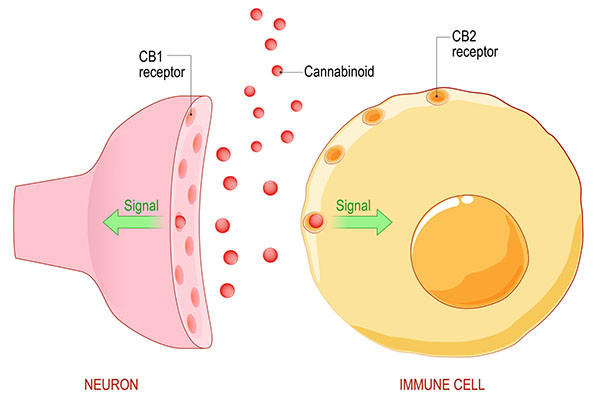
The human body has a complex internal signaling network that helps maintain balance in nearly every physiological process. This system is known as the endocannabinoid system (ECS). In recent decades, scientists have discovered that compounds found in cannabis interact with this system, influencing everything from mood to pain perception.
Understanding this interaction helps explain why cannabis has been widely studied for both therapeutic and recreational contexts.
What Is the Endocannabinoid System?
The endocannabinoid system is a biological system present in all humans and many animals. Its main role is to maintain homeostasis, meaning internal stability despite external changes.
It consists of three core components:
- Endocannabinoids (naturally produced molecules in the body)
- Receptors (CB1 and CB2 receptors)
- Enzymes (which break down endocannabinoids after use)
This system helps regulate processes such as:
- Sleep
- Mood
- Appetite
- Pain sensation
- Immune response
- Memory
CB1 and CB2 Receptors: The Body’s Control Points
CB1 Receptors
CB1 receptors are primarily found in the brain and central nervous system. They influence:
- Memory and cognition
- Coordination
- Emotional response
- Pain perception
CB2 Receptors
CB2 receptors are mostly located in the immune system and peripheral organs. They are involved in:
- Inflammation control
- Immune system regulation
- Tissue repair
How Cannabis Interacts with the Endocannabinoid System
Cannabis contains active compounds called cannabinoids, the most well-known being:
- THC (tetrahydrocannabinol) – psychoactive compound responsible for the “high”
- CBD (cannabidiol) – non-psychoactive compound often associated with calming effects
These compounds mimic or influence natural endocannabinoids in the body.
THC and the Brain
THC binds strongly to CB1 receptors, especially in the brain. This can lead to:
- Euphoria or altered mood
- Changes in perception
- Increased appetite
- Reduced pain sensitivity
CBD and Regulation
CBD does not bind directly to CB1 or CB2 receptors in the same way. Instead, it helps regulate the system indirectly, which may contribute to:
- Reduced anxiety
- Anti-inflammatory effects
- Improved sleep patterns in some users
Why the Endocannabinoid System Matters
The ECS is essential because it acts like a balancing mechanism. When it functions properly, the body stays in equilibrium. Researchers believe disruptions in this system may be linked to conditions such as:
- Chronic pain disorders
- Anxiety and depression
- Epilepsy
- Inflammatory diseases
This is why cannabis-based compounds are being explored in medical research worldwide.
Medical Research and Potential Benefits
Scientific studies continue to examine how cannabinoids may be used therapeutically. Some areas of interest include:
- Pain management in chronic conditions
- Nausea reduction in chemotherapy patients
- Muscle spasm relief in neurological disorders
- Sleep support in certain cases
However, research is still ongoing, and effects can vary widely between individuals.
Risks and Considerations
While cannabis interacts with the ECS in meaningful ways, it is not without risks. Possible concerns include:
- Impaired memory or concentration (especially with THC)
- Dependency in some users
- Anxiety or paranoia in sensitive individuals
- Legal restrictions depending on the country or region
Responsible understanding and awareness are important when studying or discussing cannabis.
Legal and Social Context
Cannabis laws differ significantly around the world. In some regions it is legal for medical or recreational use, while in others it remains restricted or prohibited.
Because of this variation, search terms like “where to buy weed plants” often appear online. However, availability, legality, and regulation depend entirely on local laws. In many places, cultivation or possession of cannabis plants may be illegal or controlled, so it is important to understand the legal framework before engaging with such topics.
Conclusion
The endocannabinoid system plays a vital role in maintaining balance within the human body, and cannabis interacts with this system in powerful and complex ways. Through its compounds like THC and CBD, cannabis can influence mood, pain, appetite, and more.
As scientific research continues, our understanding of this system and its relationship with cannabis is likely to expand, offering new insights into both health and medicine.
