
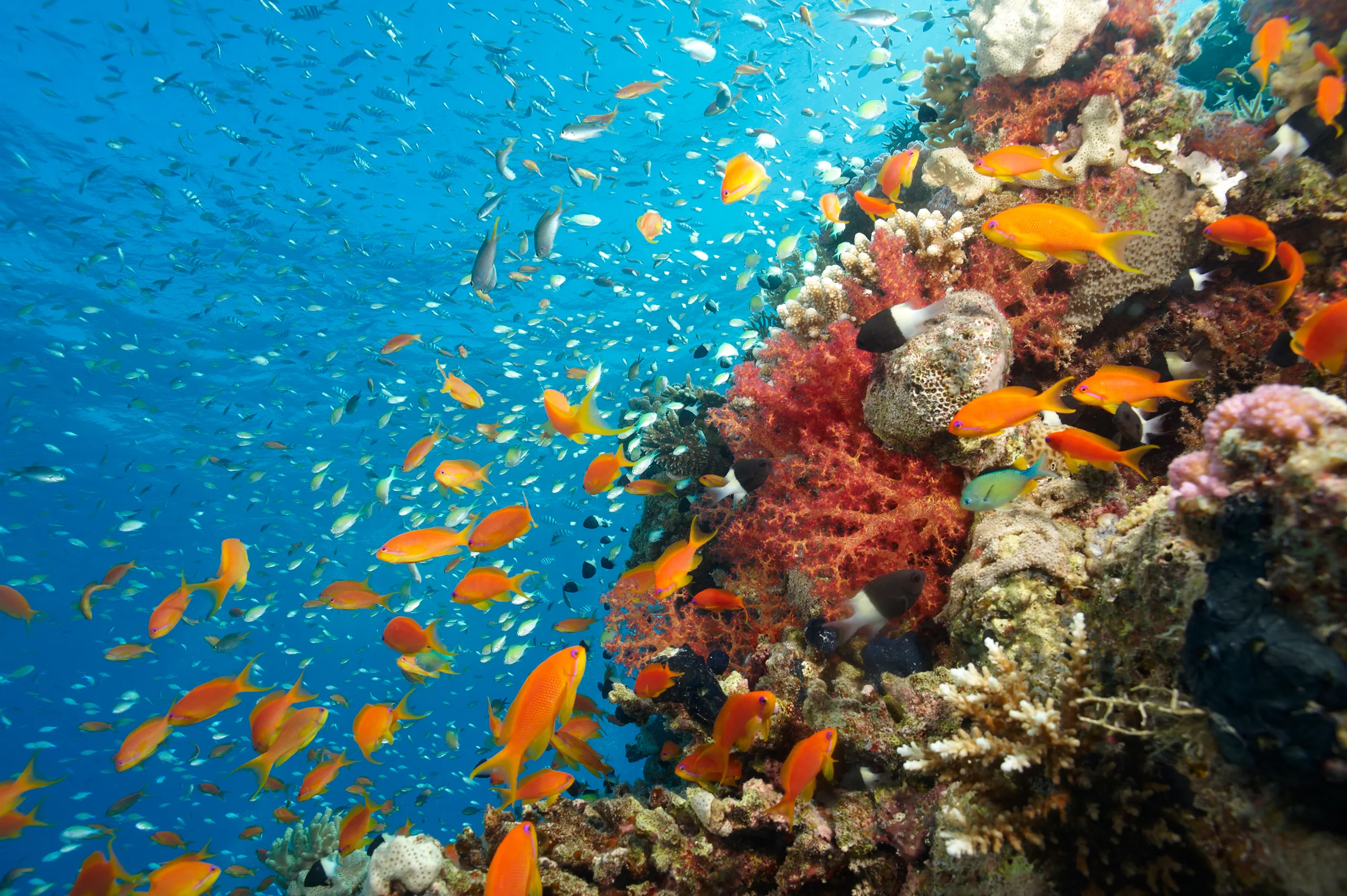
Ocean tourism continues to play an important role in the global travel industry.
From tropical beaches and island destinations to marine wildlife tours and underwater adventures, coastal environments offer experiences that attract travelers from different backgrounds.
As people become increasingly interested in meaningful travel, environmental responsibility, and unique natural experiences, the future of ocean tourism is evolving.
Travelers are discovering that coastal destinations offer more than beautiful scenery.
They also provide opportunities for cultural exchange, education, outdoor exploration, and a deeper appreciation of marine ecosystems.
The growing relationship between tourism, sustainability, and digital creativity is shaping how people experience the sea.
The Continuing Appeal of Coastal Tourism
Beaches remain popular destinations because they offer a combination of relaxation and adventure.
Visitors can spend time swimming, exploring coastal trails, photographing marine landscapes, or simply enjoying the sea breeze.
Many coastal regions also feature unique food traditions, fishing communities, local markets, and cultural attractions.
This variety makes seaside destinations appealing to different types of travelers.
Families may prefer calm beaches with accessible facilities, while adventurous visitors may seek snorkeling, kayaking, or coastal hiking.
Couples often enjoy peaceful resorts and sunset views.
Solo travelers may appreciate opportunities to discover coastal towns and connect with local communities.
Ocean tourism is therefore not a single activity but a collection of experiences connected by the natural environment.
How Technology Is Changing Coastal Travel
Digital technology has transformed the way people research and experience travel destinations.
Online maps, travel websites, photography platforms, and digital guides make coastal information more accessible.
Visitors can compare destinations, review seasonal conditions, and learn about local attractions before departing.
High-quality photography and video content allow travelers to discover beautiful coastlines that they may not have previously considered.
Virtual experiences and educational media can also introduce audiences to underwater ecosystems.
These technologies do not replace physical travel, but they can help people make informed decisions.
For businesses and creative brands, digital platforms provide opportunities to communicate the atmosphere of coastal destinations through visual storytelling.
Clear imagery, informative content, and memorable identities can all contribute to a stronger connection with audiences.
The Growing Importance of Sustainable Ocean Tourism
One of the most important issues facing coastal tourism is environmental sustainability.
Popular destinations can experience pressure from overcrowding, waste generation, habitat damage, and infrastructure development.
Poorly managed tourism may threaten the natural features that attract visitors in the first place.
Sustainable tourism aims to reduce negative impacts while supporting local communities and preserving environmental resources.
Examples include responsible waste management, marine habitat protection, and visitor education.
Some destinations establish protected areas or limit access to sensitive ecosystems.
Tour operators may adopt guidelines for wildlife observation, snorkeling, and diving.
Travelers can support these efforts by following local rules and choosing responsible service providers.
The long-term success of ocean tourism depends on balancing visitor experiences with conservation.
The Influence of Sea-Inspired Digital Brands
As interest in coastal experiences grows, sea-inspired themes continue to influence online branding and visual culture.
Ocean imagery communicates concepts such as exploration, relaxation, discovery, and natural beauty.
Brands can use these associations to develop memorable names and distinctive creative identities.
Blue gradients, wave patterns, tropical photography, and maritime symbolism are recognizable elements of this visual language.
SEEU168 represents a sea-related brand identity that can be explored through these themes.
Its name creates a connection to marine inspiration and the broader appeal of ocean environments.
In digital storytelling, this type of identity can draw upon coastal landscapes, underwater discoveries, and the changing atmosphere of the sea.
The strongest ocean-inspired creative concepts are those that maintain a consistent theme while offering meaningful and informative content.
Marine Education as a Travel Experience
Educational experiences are becoming an important part of many nature-focused travel activities.
Visitors may participate in guided marine walks, conservation workshops, or responsible wildlife observation programs.
Such experiences can introduce travelers to coastal ecosystems and explain the challenges they face.
Learning about coral reefs, mangrove forests, and marine animals can create a deeper understanding of the environment.
Mangroves are particularly important in many tropical coastal regions.
They provide habitat for numerous organisms and contribute to shoreline protection.
Marine education can also help visitors understand why certain activities are restricted in protected areas.
A well-informed traveler is better prepared to respect local ecosystems and make responsible choices.
Supporting Coastal Communities Through Tourism
Local communities are central to the future of ocean tourism.
Many coastal populations depend on a combination of fishing, agriculture, hospitality, and other economic activities.
Tourism can create opportunities for employment and small business development.
However, its benefits are not always distributed equally.
Responsible travel practices can help support local economic participation.
Visitors may choose locally operated accommodation, purchase products from community businesses, or participate in culturally respectful activities.
Learning about regional traditions can also enrich the overall travel experience.
Traditional boat-building, seafood preparation, and coastal festivals reveal the cultural diversity of maritime communities.
Recognizing these traditions helps travelers appreciate that ocean destinations are living communities rather than simply scenic attractions.
What Travelers Can Expect in the Future
The future of ocean tourism will likely reflect a combination of technological innovation, environmental awareness, and changing traveler preferences.
Digital platforms can make information more accessible, while educational experiences can increase appreciation for marine ecosystems.
Coastal destinations may continue exploring approaches that balance tourism demand with environmental protection.
Travelers may also seek more personalized experiences that emphasize nature, culture, and responsible exploration.
However, future outcomes will depend on local policies, environmental conditions, economic pressures, and community participation.
No single approach will suit every coastal destination.
Successful tourism development requires understanding the needs of both visitors and residents.
Conclusion
Ocean tourism continues to evolve as travelers look for beautiful destinations, meaningful experiences, and opportunities to connect with nature.
The growing importance of sustainable practices, marine education, and digital storytelling demonstrates how coastal travel extends beyond traditional beach holidays.
Sea-inspired identities also reflect the lasting appeal of marine landscapes and the emotions associated with ocean exploration.
Readers interested in discovering a sea-themed brand identity can visit https://seeu168.voyage and explore its connection with ocean inspiration.
As coastal tourism develops, protecting marine environments and supporting local communities will remain essential to preserving the beauty of the sea for future generations.
