
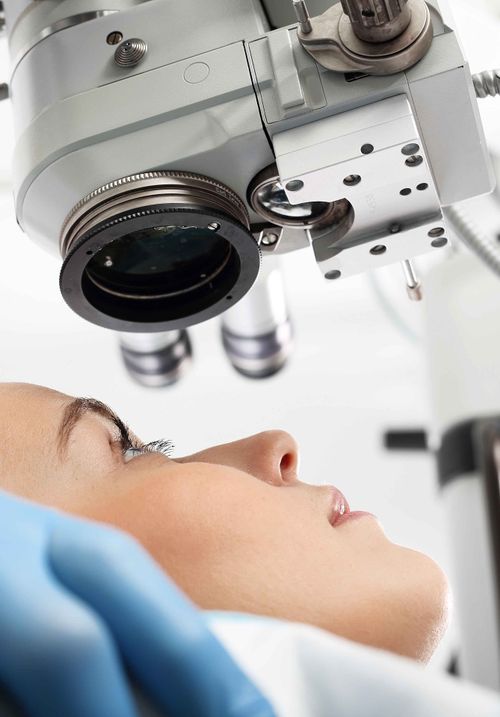
If you’re considering laser vision correction, you’ve likely come across three common procedures: LASIK, PRK, and SMILE. Each technique is designed to correct refractive errors such as nearsightedness, farsightedness, and astigmatism, helping reduce or eliminate the need for glasses or contact lenses. While all three procedures are safe and effective, the right choice depends on your eye health, lifestyle, and visual goals. Understanding the differences can help you make an informed decision.
What Is LASIK?
LASIK (Laser-Assisted In Situ Keratomileusis) is the most widely known laser eye surgery. During the procedure, a thin flap is created on the surface of the cornea. The surgeon then uses a laser to reshape the underlying corneal tissue, correcting the way light focuses on the retina. The flap is repositioned afterward, where it naturally adheres without stitches.
Benefits of LASIK:
- Quick procedure with minimal discomfort
- Rapid visual recovery—many patients see clearly within 24 hours
- Suitable for a wide range of prescriptions
- Minimal downtime
Considerations:
LASIK may not be ideal for people with thin corneas, certain corneal irregularities, or those involved in activities where eye trauma is more likely, as the corneal flap could be affected.
What Is PRK?
PRK (Photorefractive Keratectomy) is one of the earliest forms of laser vision correction and remains an excellent option for many patients. Unlike LASIK, PRK does not involve creating a corneal flap. Instead, the thin outer layer of the cornea (epithelium) is gently removed, and a laser reshapes the cornea underneath. The epithelium naturally regenerates over several days.
Benefits of PRK:
- Ideal for patients with thin corneas
- No flap, reducing the risk of flap-related complications
- Often recommended for athletes or individuals in physically demanding professions
- Long-term results comparable to LASIK
Considerations:
PRK typically has a longer recovery period. Patients may experience discomfort and blurry vision for several days to a week while the surface layer heals.
What Is SMILE?
SMILE (Small Incision Lenticule Extraction) is a newer, minimally invasive procedure primarily used to treat nearsightedness and mild astigmatism. Instead of creating a flap, the surgeon uses a femtosecond laser to create a small piece of tissue (lenticule) within the cornea, which is then removed through a tiny incision. This reshapes the cornea and corrects vision.
Benefits of SMILE:
- Minimally invasive with a small incision
- Preserves more corneal strength
- Lower risk of dry eye symptoms for some patients
- Quick recovery with minimal discomfort
Considerations:
SMILE may not be suitable for patients with certain prescriptions, particularly those with significant farsightedness, and availability can vary by clinic.
Comparing Recovery and Comfort
Recovery time is often a key factor when choosing a procedure. LASIK offers the fastest visual recovery, with many patients returning to normal activities within a day or two. SMILE also provides relatively quick recovery with mild discomfort. PRK, while highly effective, requires more patience during healing, as vision gradually improves over several days or weeks.
Which Procedure Is Right for You?
The best procedure depends on several factors, including:
- Corneal thickness and shape: Thin corneas may favor PRK or SMILE.
- Prescription type: LASIK treats a wide range of vision issues, while SMILE is mainly for myopia.
- Lifestyle and occupation: Contact sports or high-risk activities may make PRK or SMILE preferable.
- Dry eye concerns: Some patients may experience fewer dry eye symptoms with SMILE.
- Desired recovery time: Those needing quick results often prefer LASIK.
A comprehensive eye examination is essential to determine candidacy and ensure the safest, most effective option.
Long-Term Results
All three procedures have excellent long-term success rates when performed on appropriate candidates. Most patients achieve significantly improved vision and enjoy greater freedom from corrective lenses. Regular eye exams remain important to monitor eye health and address any age-related vision changes.
Final Thoughts
Choosing between LASIK, PRK, and SMILE isn’t about which procedure is “best” overall—it’s about which is best for your unique eyes. Consulting with an experienced eye care professional will help you understand your options and select a treatment plan tailored to your needs. With the right guidance, laser vision correction can be a life-changing step toward clearer, more convenient vision.
