
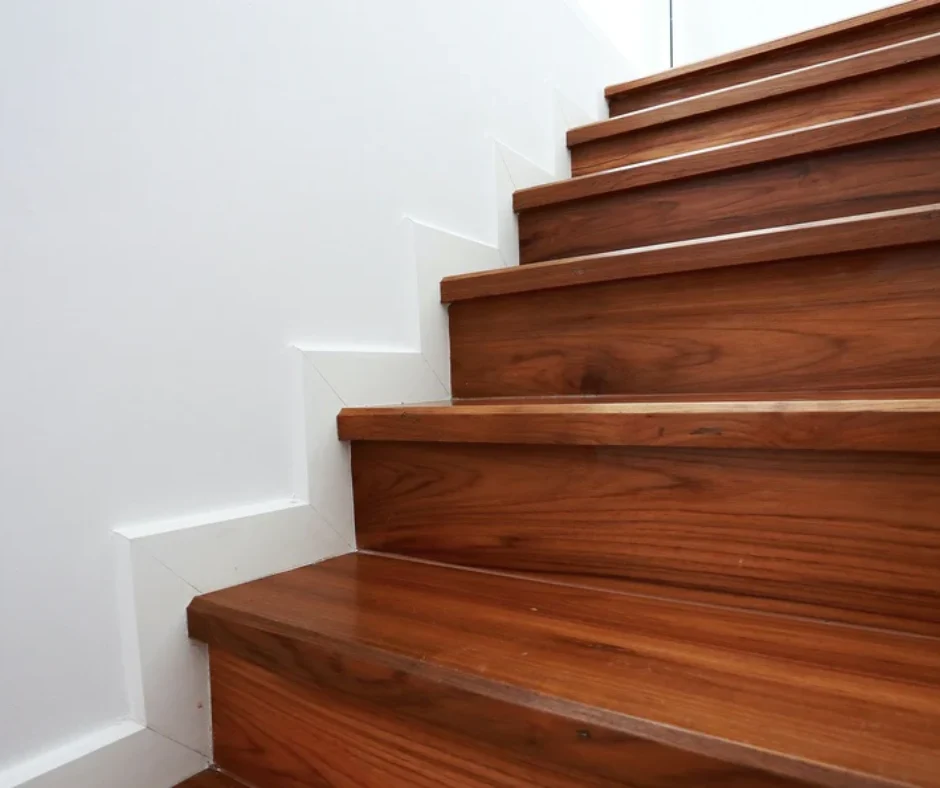
Material selection affects nearly every part of a staircase project, from the design concept and budget to installation time and long-term appearance. For flooring dealers, remodeling contractors, stair installers, builders, and designers, red oak stair treads provide a reliable combination of strength, recognizable grain, broad stain compatibility, and accessible pricing. These qualities make red oak suitable for both new staircases and carpet-to-hardwood remodeling projects.
Why Is Red Oak Commonly Used for Staircases?
Red oak has been widely used for flooring, cabinetry, moulding, and stair components for generations. Its familiarity is an advantage for trade professionals because many customers already have red oak somewhere in their homes.
The species has a Janka hardness rating of approximately 1,290 pounds-force. This makes it hard enough for residential stairways while remaining workable for experienced installers. Its open grain creates the visible texture and movement many property owners associate with traditional hardwood.
Red oak is also broadly available. Compared with less common hardwood species, it can offer a more accessible material cost and shorter sourcing timeline. That can matter when a project requires treads, risers, landing parts, moulding, flooring, and handrail components in related materials.
What Does Red Oak Look Like?
Red oak typically has warm tan, wheat, pinkish, or light reddish-brown tones. Its grain is open and pronounced, with patterns that remain visible after staining. This gives stairs natural variation without requiring a heavily distressed or rustic finish.
The wood is often associated with traditional interiors, but it is not limited to one style. Finish selection can change how red oak is perceived within a space.
For example:
- A natural or light finish can create a casual, airy appearance.
- Medium brown stains work well in traditional and transitional homes.
- Dark stains can create contrast with white risers and walls.
- Muted brown finishes can reduce some of the wood’s red undertones.
- Black iron balusters can give red oak stairs a more current appearance.
Designers should evaluate actual samples rather than relying on digital images. Screen settings, lighting conditions, surrounding colors, and natural grain variation can all affect how the finished wood appears.
How Well Does Red Oak Accept Stain?
The open pores of red oak allow it to accept many stains readily. This gives contractors and designers a broad range of color possibilities, particularly for warm and medium-brown finishes.
However, the same open grain that accepts stain also remains visible after finishing. The result will not look like a tight-grained species such as maple. Customers should understand that the grain pattern is part of red oak’s character and will often become more noticeable after stain is applied.
For projects involving existing red oak flooring, matching requires more than selecting a stain with the same name. The flooring’s age, finish sheen, exposure to sunlight, board variation, and previous coating can influence its current color.
A physical sample comparison is the most dependable approach. Samples should be reviewed beside the existing floor under both natural and artificial lighting before the final order is approved.
Should You Choose Prefinished or Unfinished Treads?
Prefinished treads arrive with the stain and protective topcoat already applied. They can reduce sanding, staining, coating, and drying work at the property. This makes them useful for occupied homes, shorter remodeling schedules, and projects where dust and finishing odors need to be limited.
A factory-applied UV-cured aluminum oxide finish can provide a hard surface designed for regular foot traffic. Because the coating is applied under controlled conditions, it can also deliver more consistent color and sheen across an order.
Unfinished treads may be preferred when:
- The stairs must match an existing site-finished floor
- The designer needs a color outside the standard stain range
- The installer plans to finish the stairs and flooring together
- Final color adjustments must be made at the property
The decision should account for labor, schedule, finish expectations, and jobsite conditions—not merely the initial material price.
Does the Project Need Retro or Traditional Treads?
Retro and traditional treads serve different construction needs.
Retro treads are commonly used for carpet-to-hardwood conversions. After the carpet is removed and the existing staircase is inspected and prepared, the retro tread is installed over the current structure. A typical retro tread is 3/4 inch thick with a thicker nose that covers the front edge of the existing step.
Traditional treads are full-thickness components commonly used for new staircase construction or projects where the original treads are completely removed. A typical traditional tread is 1 inch thick and 11-1/2 inches deep.
Before choosing either profile, contractors must evaluate the staircase structure, riser height, tread depth, nosing dimensions, support, and applicable building requirements.
Which Return Style Should Be Ordered?
Return style refers to the finished edge on an exposed side of a tread. Ordering the correct orientation is essential for stairs with open sides.
The main configurations include:
- Closed or box: Both sides meet walls or skirt boards
- Left return: The left edge is exposed when viewed from the bottom
- Right return: The right edge is exposed when viewed from the bottom
- Double return: Both edges are exposed
Photos, measurements, and a numbered stair plan can help prevent ordering mistakes. Dealers should confirm the viewing direction with the installer before submitting the order.
What Should Be Included in the Stair Package?
A complete material plan may require more than treads. Depending on the staircase, the order may also include risers, landing tread, cove moulding, veneer, handrails, balusters, newel posts, and flooring for adjacent areas.
Professionals should confirm quantities, tread lengths, exposed edges, finish selections, and accessory requirements before ordering. All delivered components should be inspected and stored according to supplier guidance before installation.
Red oak remains a dependable option for projects that require genuine hardwood character, practical material costs, and flexibility across remodeling and new construction. Visit Wood Stair Co to compare prefinished and unfinished red oak products, review available tread profiles, order stain samples, and plan the stair components required for your next project.
