
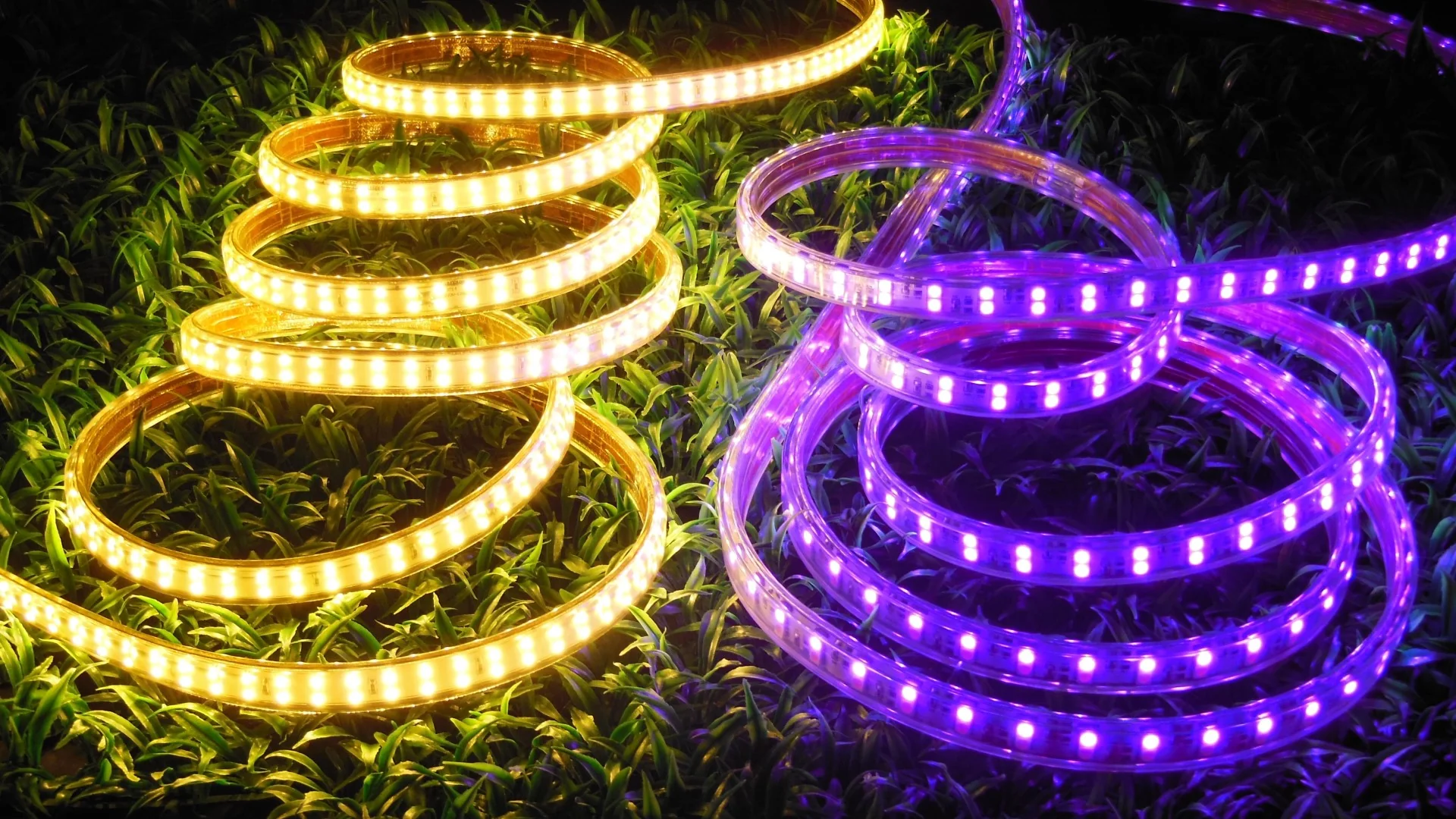
One of the biggest reasons homeowners and businesses are switching to LED lights is their impressive lifespan. Unlike traditional incandescent and fluorescent bulbs that require frequent replacements, LED lights are designed to provide reliable illumination for many years while consuming significantly less energy.
But how long do LED lights actually last? While the exact lifespan depends on factors such as product quality, usage, operating conditions, and maintenance, most high-quality LED lights can last between 25,000 and 50,000 hours, with some commercial-grade fixtures lasting even longer. This makes them one of the most durable and cost-effective lighting solutions available today.
In this guide, we’ll explore the lifespan of LED lights, the factors that affect their longevity, and how you can maximize their performance.
What Are LED Lights?
LED stands for Light Emitting Diode. Unlike incandescent bulbs that produce light by heating a filament, LEDs generate light by passing an electrical current through a semiconductor.
Because this process produces very little heat, LED lights are far more energy-efficient and experience less wear over time.
Today, LED technology is used in:
- Residential lighting
- Commercial buildings
- Offices
- Warehouses
- Retail stores
- Schools
- Hospitals
- Outdoor lighting
- Industrial facilities
How Long Do LED Lights Typically Last?
The average lifespan of LED lights is significantly longer than traditional lighting technologies.
Typical lifespans include:
| Lighting Type | Average Lifespan |
| Incandescent Bulbs | About 1,000 hours |
| Halogen Bulbs | 2,000–4,000 hours |
| Fluorescent Tubes | 20,000–30,000 hours |
| LED Lights | 25,000–50,000+ hours |
According to the U.S. Department of Energy, LEDs can last many times longer than incandescent bulbs while using substantially less energy. (energy.gov)
To put that into perspective:
- At 3 hours per day, a 50,000-hour LED could last more than 45 years.
- At 8 hours per day, it may last around 17 years.
- In commercial settings where lights operate 12 hours per day, they can still provide well over 11 years of service.
Why Do LED Lights Last So Long?
Several design advantages contribute to the long lifespan of LED lights.
No Fragile Filament
Incandescent bulbs rely on a thin tungsten filament that eventually burns out.
LEDs contain no filament, making them much more durable and resistant to failure.
Lower Heat Production
Heat is one of the biggest factors that shortens the life of traditional light bulbs.
LED lights convert most of their energy into light rather than heat, helping electronic components last longer.
Solid-State Construction
LEDs are solid-state devices, meaning they contain no fragile glass tubes filled with gas like fluorescent bulbs.
This makes them more resistant to:
- Vibrations
- Minor impacts
- Frequent switching
What Factors Affect LED Lifespan?
Although LED lights are designed for long life, several factors influence how long they actually last.
Product Quality
Not all LED lights are manufactured to the same standards.
Higher-quality products generally feature:
- Better electronic components
- Superior heat management
- More consistent performance
- Longer warranties
Choosing a reputable manufacturer often results in better long-term reliability.
Heat Management
While LEDs generate less heat than traditional bulbs, they still produce some heat.
Quality fixtures include heat sinks that help dissipate heat and protect internal components.
Poor ventilation or enclosed fixtures not rated for LED use can reduce lifespan.
Usage Hours
The more hours an LED operates each day, the sooner it will reach its rated lifespan.
Commercial buildings typically use lighting for longer periods than residential homes, resulting in earlier replacement despite the long service life.
Electrical Conditions
Stable electrical systems help maximize LED performance.
Power surges, voltage fluctuations, or incompatible dimmers may reduce lifespan if not properly managed.
Do LED Lights Burn Out?
Unlike incandescent bulbs that suddenly stop working, LED lights usually fade gradually over time.
This process is known as lumen depreciation, meaning the bulb slowly becomes less bright as it ages.
Many LED products are rated to reach 70% of their original brightness (L70) at the end of their expected lifespan.
Even after reaching this point, many LEDs continue operating.
How Can You Make LED Lights Last Longer?
To maximize the lifespan of your LED lights:
- Purchase high-quality products.
- Install them in compatible fixtures.
- Ensure proper ventilation.
- Use compatible dimmer switches when required.
- Avoid exposing fixtures to excessive heat or moisture unless they are rated for those conditions.
Following the manufacturer’s installation and operating guidelines helps ensure optimal performance.
Are LED Lights More Cost-Effective?
Although LED lights typically cost more upfront than incandescent or fluorescent bulbs, they often save money over time through:
- Lower electricity consumption
- Fewer bulb replacements
- Reduced maintenance costs
- Longer operating life
For businesses with hundreds of fixtures, these savings can be substantial.
Where Are Long-Lasting LED Lights Most Beneficial?
LED lights are especially valuable in locations where replacing bulbs is difficult or expensive.
Examples include:
Commercial Buildings
Long-lasting LEDs reduce maintenance interruptions in offices, retail stores, and educational facilities.
Warehouses
High ceilings make bulb replacement time-consuming and costly.
LED fixtures minimize maintenance while providing bright, reliable illumination.
Outdoor Lighting
Street lights, parking lots, landscape lighting, and security fixtures benefit from the durability and weather resistance of LED technology.
Residential Homes
Homeowners enjoy years of dependable lighting with fewer replacements and lower utility bills.
Common Myths About LED Lifespan
Myth: All LED Lights Last the Same Amount of Time
Lifespan varies based on product quality, operating conditions, and installation.
Myth: LEDs Never Need Replacement
Although LEDs last much longer than traditional bulbs, they eventually become dimmer and may require replacement after many years of use.
Myth: Frequent Switching Damages LEDs
Unlike fluorescent lighting, LED lights generally tolerate frequent on-and-off switching without significantly reducing their lifespan.
Are LED Lights Worth the Investment?
For most homes and businesses, the answer is yes.
LED lights provide:
- Exceptional lifespan
- Lower energy bills
- Reduced maintenance
- Reliable performance
- Better light quality
- Improved environmental sustainability
These benefits make them one of the smartest long-term lighting investments available.
Conclusion
LED lights are designed to provide years of dependable, energy-efficient illumination, with many high-quality products lasting between 25,000 and 50,000 hours or more. Their long lifespan, combined with lower electricity consumption and minimal maintenance requirements, makes them an excellent choice for residential, commercial, and industrial applications. By selecting quality LED products and installing them correctly, you can enjoy reliable lighting while reducing replacement costs and energy usage for years to come.
If you’re looking for premium-quality LED lights, Buy LED Online offers a wide selection of energy-efficient lighting solutions for homes, businesses, and industrial facilities. From LED bulbs and tube lights to recessed fixtures and commercial lighting products, Buy LED Online provides dependable solutions built for long-lasting performance and exceptional value.
