
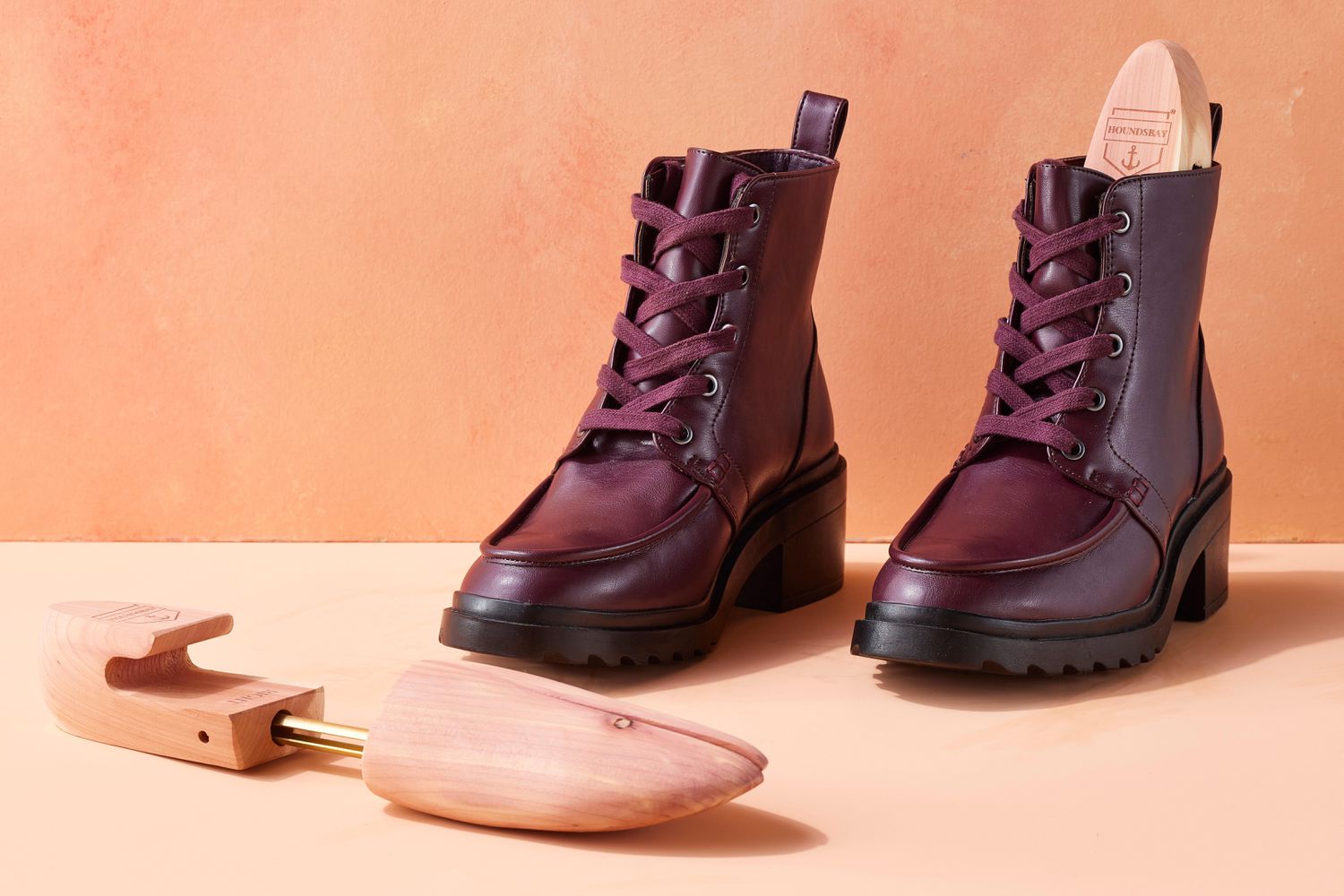
Leather boots often feel firm when they are new, especially around the toe box, instep, or sides of the foot. If you are asking, how can I stretch my leather boots, the safest answer is to use gradual pressure, leather-safe care products, or a proper boot stretcher rather than harsh methods involving heat or water.
Leather naturally softens and adjusts with wear, but it only stretches within reasonable limits. A boot that is slightly tight across the width may become more comfortable. A boot that is too short or causes sharp pain is unlikely to become the right fit through stretching alone.
Understanding that limit can help protect both your feet and the boots.
Decide Whether the Boots Can Be Stretched
Stretching works best when the boots are close to the correct size. Mild pressure around the forefoot, instep, or a specific rubbing point may improve as the leather relaxes.
Length is harder to change. If your toes press firmly against the front of the boot, the size may be too small. Stretching the upper will not create enough extra length to correct that problem.
Pay attention to how the boots feel. Mild stiffness is common during break-in. Numbness, sharp pain, strong toe pressure, or serious heel rubbing usually point to a fit issue rather than normal new-boot discomfort.
Width also matters. Some people buy a longer boot when they actually need a wider size. Going wider often provides a better fit than adding unnecessary length.
Use Thick Socks for Gradual Stretching
One of the simplest stretching methods is to wear the boots indoors with thick socks. The extra sock thickness creates gentle pressure while body heat helps the leather relax.
Start with short sessions of 20 to 30 minutes. Walk around the house, bend the feet naturally, and pay attention to any pressure points. Gradually increase the wear time over several days.
This method works best for boots that are only slightly tight. It is slower than mechanical stretching, but it gives you more control and reduces the chance of overstretching one area.
Do not push through strong pain. Remove the boots if your feet become numb or develop sharp pressure.
Try a Boot Stretcher for Targeted Areas
A boot stretcher can apply steady, controlled pressure while the boots are not being worn. Some models are designed to widen the forefoot, while others include small plugs that target specific areas such as bunions or pressure points.
Insert the stretcher according to its instructions and expand it gradually. Leave it in place for several hours or overnight, then check the fit before increasing the pressure again.
Small adjustments are safer than trying to create a large change at once. Too much pressure can distort the boot, stress the stitching, or change the fit unevenly.
Make sure the stretcher is suited to the boot shape. Western boots, work boots, hiking boots, and tall leather boots may require different tools.
Use Leather-Safe Products Carefully
Leather conditioner can help keep the material flexible during the break-in process. Apply a small amount to clean, dry leather and follow the product directions.
Stretching sprays are also available. These are intended to relax the leather slightly so it responds better to pressure from the foot or a stretcher.
Always test any conditioner or spray on a hidden area first. Some products can darken the leather or change its finish.
The product should also match the material. Smooth leather, suede, nubuck, and exotic leather require different care. A product made for smooth leather may damage suede or leave visible marks.
Conditioner supports flexibility, but it should not be applied excessively. Too much product can soften the leather more than intended or affect the finish.
Focus on the Tight Area
Not every part of the boot needs stretching. Identify whether the pressure comes from the toe box, sides, instep, ankle, or shaft.
A stretcher with pressure-point attachments may help with a small spot near the forefoot. Tall boot stretchers can help loosen a tight shaft around the calf.
If the instep feels too tight, a professional cobbler may be better equipped to adjust it without distorting the rest of the boot.
Targeted stretching protects the overall shape. Trying to loosen the entire boot for one pressure point can create heel movement or an unstable fit.
Avoid Methods That Can Damage Leather
Do not soak leather boots in water. Water may soften the material temporarily, but it can also damage the finish, lining, stitching, and adhesives. As the boots dry, the leather may become stiff or misshapen.
Avoid direct heat from hair dryers, radiators, fireplaces, or clothes dryers. High heat removes natural moisture from leather and can cause cracking, shrinking, or sole separation.
Freezing water inside the boots is another risky method. Expanding ice can stretch the leather unevenly and put excessive pressure on seams or linings.
Do not force hard objects into the boot or overfill it with heavy stuffing. Uneven force can create lumps, dents, or permanent distortion.
Know When to Visit a Cobbler
A professional cobbler is often the safest choice for expensive, structured, or heavily stitched boots. Cobblers use controlled tools that can target width, instep pressure, shafts, or isolated tight spots.
Professional help is especially useful for western boots, safety toe boots, thick work boots, and boots made from delicate or unusual leather.
A cobbler can also tell you when stretching is unlikely to work. If the boots are too short, the toe cap is restrictive, or the shape does not suit your foot, exchanging them may be the better decision.
Keep the Boots Comfortable After Stretching
Once the fit improves, wear the boots regularly for short periods so the leather continues adjusting naturally.
Use the socks you expect to wear most often. Switching between thin casual socks and thick work socks can change the fit considerably.
Clean off dirt and mud after use, let damp boots air-dry, and condition the leather when needed. Boot trees can help the boots hold their shape between wears.
If discomfort returns or the boots begin rubbing in a new area, reassess the fit rather than continuing to stretch them repeatedly.
Final Thoughts
Leather boots can often be stretched slightly when the problem is mild tightness across the width, instep, shaft, or a specific pressure point. Thick socks, a proper boot stretcher, and leather-safe products are usually the safest methods. Soaking, direct heat, freezing, and excessive force can damage the leather and weaken the boot.
For men and women looking for work boots, western boots, tactical footwear, hiking styles, and everyday shoes, BootsPlusMore offers footwear for different routines, jobs, and outdoor needs. Visit the website to find boots that provide the right fit from the beginning.
