
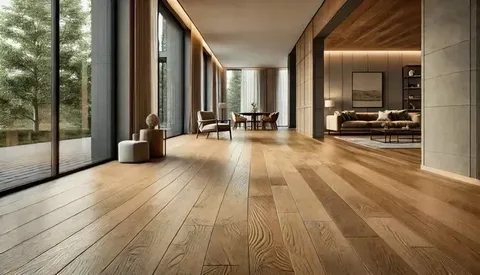
Choosing a hardwood floor involves more than selecting a wood species or stain color. One of the most overlooked yet important design elements is the wood grain pattern itself. The grain is what gives hardwood its unique personality. It creates texture, movement, and visual interest throughout a room. In many cases, the grain pattern can have just as much impact on the overall look of a home as the color of the flooring.
As a flooring installer, I often meet homeowners who focus entirely on shade and finish while paying little attention to grain patterns. Then, after installation, they realize the floor has a completely different character than they expected. Understanding how various grain patterns look and perform can help homeowners make a smarter decision that complements their style and lifestyle.
Let’s take a closer look at the most common wood grain patterns used in residential flooring and how each one can influence the feel of a space.
Why Wood Grain Matters More Than Most Homeowners Realize
Every tree grows differently, and those growth patterns create the grain visible in hardwood flooring. Some grain patterns appear calm and consistent, while others create dramatic movement and bold visual contrast.
The grain pattern affects how large a room feels, how much natural variation appears across the floor, and even how visible scratches and wear become over time. Certain grain styles create a formal appearance, while others bring warmth and casual charm.
This is why two oak floors with the same stain color can look completely different. The grain tells much of the story.
When choosing flooring for a home, understanding grain characteristics can help ensure the finished result matches your expectations rather than delivering an unexpected surprise after installation.
Plain Sawn Wood Creates Natural Character
Plain sawn flooring is one of the most common hardwood flooring cuts found in residential properties. It produces the familiar cathedral-like grain patterns that many homeowners immediately recognize.
The sweeping arches and flowing lines create a warm, natural appearance that works well in both traditional and contemporary homes. Because of its visual movement, plain sawn flooring often feels inviting and comfortable.
Another advantage is affordability. Since this cutting method produces less waste during manufacturing, plain sawn boards are often more budget friendly than other options.
For homeowners who appreciate character and variation, plain sawn flooring offers plenty of visual interest. No two boards look exactly alike, which helps create a unique and organic appearance throughout the room.
Quarter Sawn Wood Offers a More Refined Appearance
Quarter sawn flooring creates a very different look. Instead of large cathedral patterns, quarter sawn boards display straighter grain lines with subtle texture and consistency.
This grain pattern often appeals to homeowners seeking a cleaner and more sophisticated appearance. The uniformity can make rooms feel elegant without appearing overly formal.
One practical benefit is increased dimensional stability. Quarter sawn boards tend to expand and contract less when humidity levels fluctuate. This can be particularly valuable in areas where seasonal changes affect indoor moisture levels.
Many homeowners appreciate quarter sawn flooring because it strikes a balance between natural beauty and visual order. It offers character without overwhelming the room.
Rift Sawn Flooring Delivers Modern Simplicity
If quarter sawn flooring is refined, rift sawn flooring takes simplicity even further. Rift sawn boards feature extremely straight grain lines with minimal variation.
This clean and consistent appearance makes rift sawn flooring popular in modern and contemporary interiors. Designers often choose it when they want the floor to complement the space without becoming the center of attention.
The visual consistency can make rooms feel larger and more streamlined. It also pairs exceptionally well with minimalist design styles where clean lines are a priority.
From an installation standpoint, rift sawn flooring creates a polished appearance that many homeowners describe as timeless. It avoids dramatic grain patterns while still showcasing the natural beauty of real wood.
Character Grade Wood Celebrates Natural Imperfections
Not every homeowner wants perfectly uniform flooring. In fact, many people actively seek floors that tell a story.
Character grade hardwood embraces natural knots, mineral streaks, color variation, and distinctive grain patterns. These features create a floor filled with personality and rustic charm.
One homeowner recently told me they wanted a floor that looked like it had “lived a little.” Character grade flooring certainly delivers that feeling.
The beauty of this style lies in its authenticity. Every knot and variation reflects the natural history of the tree. This makes character grade flooring especially popular in farmhouse, rustic, cottage, and transitional homes.
An added benefit is that minor scratches and everyday wear tend to blend naturally into the existing variation, making maintenance feel less stressful.
Choosing the Right Grain Pattern for Your Home
The best grain pattern depends on both aesthetics and lifestyle. Homes with active children, pets, and frequent foot traffic may benefit from grain patterns that naturally disguise wear and minor imperfections.
For homeowners seeking a clean, modern appearance, straighter grain patterns such as quarter sawn or rift sawn often provide the desired look. Those who prefer warmth and visual movement may gravitate toward plain sawn flooring.
Lighting also plays a role. Natural sunlight highlights grain patterns differently throughout the day. Strong grain variation becomes more noticeable in bright spaces, while subtle grain patterns maintain a calmer appearance.
One of the best ways to evaluate grain options is to view actual flooring installations rather than relying solely on small samples. Homeowners can Check out The Flooring Gallery to see how different wood species, finishes, and grain patterns appear in completed residential projects.
Seeing full room installations often makes the decision much easier because it provides real-world perspective that small showroom samples simply cannot offer.
Grain Patterns and Long Term Flooring Satisfaction
One thing I always tell homeowners is that stain colors can sometimes be updated, finishes can be refreshed, and trends will come and go. The grain pattern, however, remains one of the defining characteristics of the floor for decades.
Choosing a grain style that fits your personal taste rather than current design trends usually leads to greater long term satisfaction. Floors are not something most homeowners replace every few years. They become part of the home’s identity.
Whether you prefer the flowing character of plain sawn boards, the refined elegance of quarter sawn flooring, the sleek consistency of rift sawn wood, or the rustic personality of character grade planks, understanding these differences helps ensure the floor complements both your home and your lifestyle.
Finding the Perfect Wood Grain for Your Flooring Project
Wood grain patterns play a major role in the appearance, feel, and overall personality of hardwood flooring. While color often gets the most attention, grain patterns are what create visual movement, texture, and character throughout a space.
Plain sawn flooring offers warmth and natural variation. Quarter sawn flooring provides elegance and stability. Rift sawn flooring delivers clean modern lines, while character grade hardwood showcases authentic rustic beauty. Each option brings something unique to a home.
Before selecting new flooring or planning a restoration project, take time to explore how different grain patterns interact with your home’s design, lighting, and lifestyle needs. A well-chosen hardwood floor can enhance comfort, increase property value, and provide lasting beauty for decades.
If you are considering hardwood flooring installation, refinishing, repairs, or restoration, consulting with an experienced flooring professional can help you identify the grain pattern that best matches your vision and ensures long term satisfaction with your investment.
