
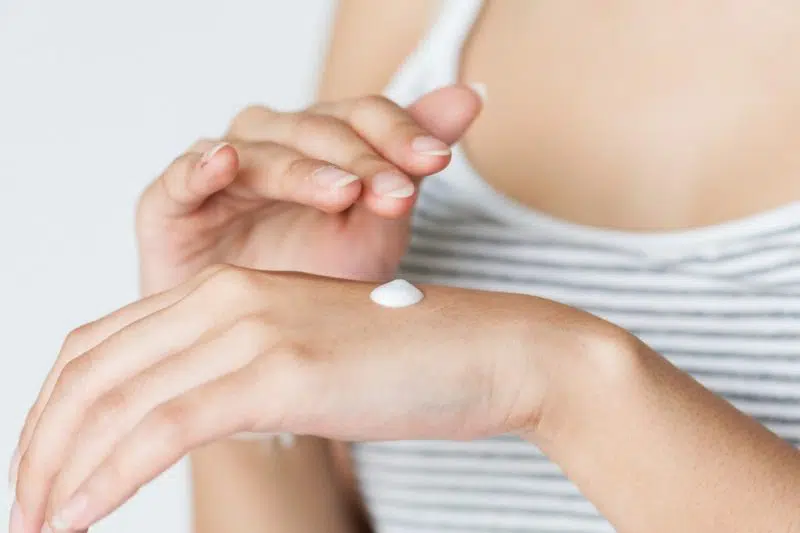
Most women have a moisturizer in their routine. Far fewer have the right one. There’s a meaningful difference between a product that adds surface hydration and one that genuinely improves skin condition over time — and that difference is the entire premise behind what a revitalizing moisturizer is designed to do. Where a standard moisturizer addresses immediate dryness, a revitalizing formulation works at a deeper level — supporting cellular renewal, reinforcing the skin barrier, and delivering active ingredients that compound in benefit with consistent use.
For women who have been loyal to the same moisturizer for years without seeing meaningful improvement in their skin, this distinction is worth understanding in detail.
What “Revitalizing” Actually Means
The word revitalizing appears frequently enough in beauty marketing that it risks losing meaning entirely. In a formulation context, however, it refers to something specific: a moisturizer that goes beyond passive hydration to actively support the skin’s biological renewal processes.
Standard moisturizers work primarily through occlusives and humectants — ingredients that seal moisture into the skin or draw water to the surface. These are valuable functions, but they’re essentially maintenance. The skin feels comfortable, but its underlying condition doesn’t change in any meaningful way.
A revitalizing moisturizer adds a third layer of function: actives that stimulate, repair, or protect at the cellular level. Depending on the formulation, these might include peptides that signal collagen production, antioxidants that neutralize daily oxidative damage, or botanical extracts with clinically supported regenerative properties. The result is a moisturizer that doesn’t just maintain the skin’s current state — it gradually improves it.
The Skin Concerns a Revitalizing Formulation Addresses
Understanding what a revitalizing moisturizer targets helps clarify whether it’s the right addition to a specific routine. The concerns it addresses most effectively:
Dullness and uneven tone. Skin that looks flat, tired, or lackluster is typically experiencing slowed cellular turnover — the process by which fresh skin cells replace older ones at the surface. Revitalizing formulations that support this process restore the natural luminosity that healthy cell renewal produces.
Fine lines and early volume loss. Collagen and elastin degradation begins in the mid-twenties and accelerates with sun exposure, pollution, and inflammation. Moisturizers with peptide complexes or growth-factor-adjacent ingredients provide the signals that prompt the skin to continue producing structural proteins, slowing the visible progression of this process.
Dehydration versus dryness. These are distinct conditions that are frequently conflated. Dryness is a skin type — a lack of oil production. Dehydration is a skin condition — a lack of water content that can affect any skin type, including oily skin. A revitalizing moisturizer addresses both simultaneously, using humectants to draw water into skin cells and barrier-supporting ingredients to prevent its loss.
Sensitivity and reactivity. Skin that reacts easily to environmental changes, products, or stress often has a compromised barrier — one that allows irritants in while allowing moisture out. Revitalizing formulations with ceramides, fatty acids, or barrier-repair actives rebuild this function over time, reducing baseline reactivity rather than simply soothing individual reactions.
Post-summer recovery. Sun exposure, saltwater, chlorine, and increased outdoor time take a cumulative toll on skin condition. A revitalizing moisturizer used consistently through autumn addresses this damage systematically, restoring texture, tone, and hydration levels before the drying conditions of winter arrive.
What to Look for in the Formulation
The difference between a revitalizing moisturizer that delivers and one that merely claims to lies entirely in the ingredient list. Key markers of a formulation with genuine revitalizing capacity:
Peptides. Short-chain amino acids that communicate with skin cells to stimulate collagen and elastin production. Look for palmitoyl tripeptide, matrixyl, or acetyl hexapeptide in the ingredients — these have the most substantial research behind them.
Antioxidant complex. A combination of antioxidants — vitamin C, vitamin E, niacinamide, resveratrol, or botanical equivalents — provides broader free radical neutralization than any single antioxidant alone. Synergistic antioxidant blends are a marker of sophisticated formulation.
Barrier ingredients. Ceramides, cholesterol, and fatty acids in the right ratio rebuild the lipid matrix that holds skin cells together and regulates moisture retention. Their presence indicates a formulation designed for long-term skin health rather than immediate surface effect.
Botanical actives with clinical backing. Plant-derived ingredients with documented regenerative or anti-inflammatory properties — not decorative botanicals added for marketing appeal — elevate a moisturizer from functional to genuinely revitalizing.
Appropriate texture for skin type. A revitalizing formulation is only effective if it’s used consistently, and consistency requires a texture that works with the user’s skin type and climate. Lightweight gel-creams suit oily and combination skin; richer emulsions suit dry and mature skin.
Building It Into a Routine That Works
A revitalizing moisturizer performs best as the final step in a routine that prepares the skin to receive it. Cleansing removes surface debris and allows active ingredients to penetrate without barrier. A hydrating toner or essence adds the water content that moisturizer then seals in. Serum delivers concentrated actives at a level moisturizer alone cannot. Moisturizer — applied last, on slightly damp skin — locks in everything beneath it while delivering its own active payload.
Applied morning and evening, a well-formulated revitalizing moisturizer produces visible results within four to six weeks for most skin concerns — with continued improvement over three to six months of consistent use. Skin health, unlike surface hydration, is a long-term project.
The Routine Upgrade That Compounds Over Time
Skincare results that accumulate — where skin looks meaningfully better at six months than at one, and better still at a year — require products that do more than maintain. They require formulations that actively support the skin’s own capacity to renew, repair, and protect itself. That is precisely what a revitalizing moisturizer is built to deliver.
For women ready to move beyond maintenance and invest in visible, lasting improvement, Essance Skincare offers a revitalizing facial moisturizer formulated with the ingredient integrity and clinical grounding that serious skin health demands. Explore the full product range and find the formulation that meets your skin exactly where it is.
